Old Polish fasting cuisine was surprisingly rich and diverse, despite strict religious restrictions. During Lent and other fasting periods, meat, animal fats, and dairy were avoided, so cooks relied on grains, legumes, mushrooms, vegetables, and fish. As a result, dishes like barley soup, pea purée, cabbage with mushrooms, and herring in various marinades were commonly served.
What is more, mushrooms, especially dried forest varieties, were highly valued for their meaty flavor and used as substitutes for meat. Oil and poppy seed milk replaced butter and cream in many recipes. Breads and flatbreads were often baked without eggs or dairy. Buckwheat groats and fermented rye soup (żur) were staples of the Lenten table. In noble households, fasting meals could still be luxurious, featuring delicacies like sturgeon or eel.
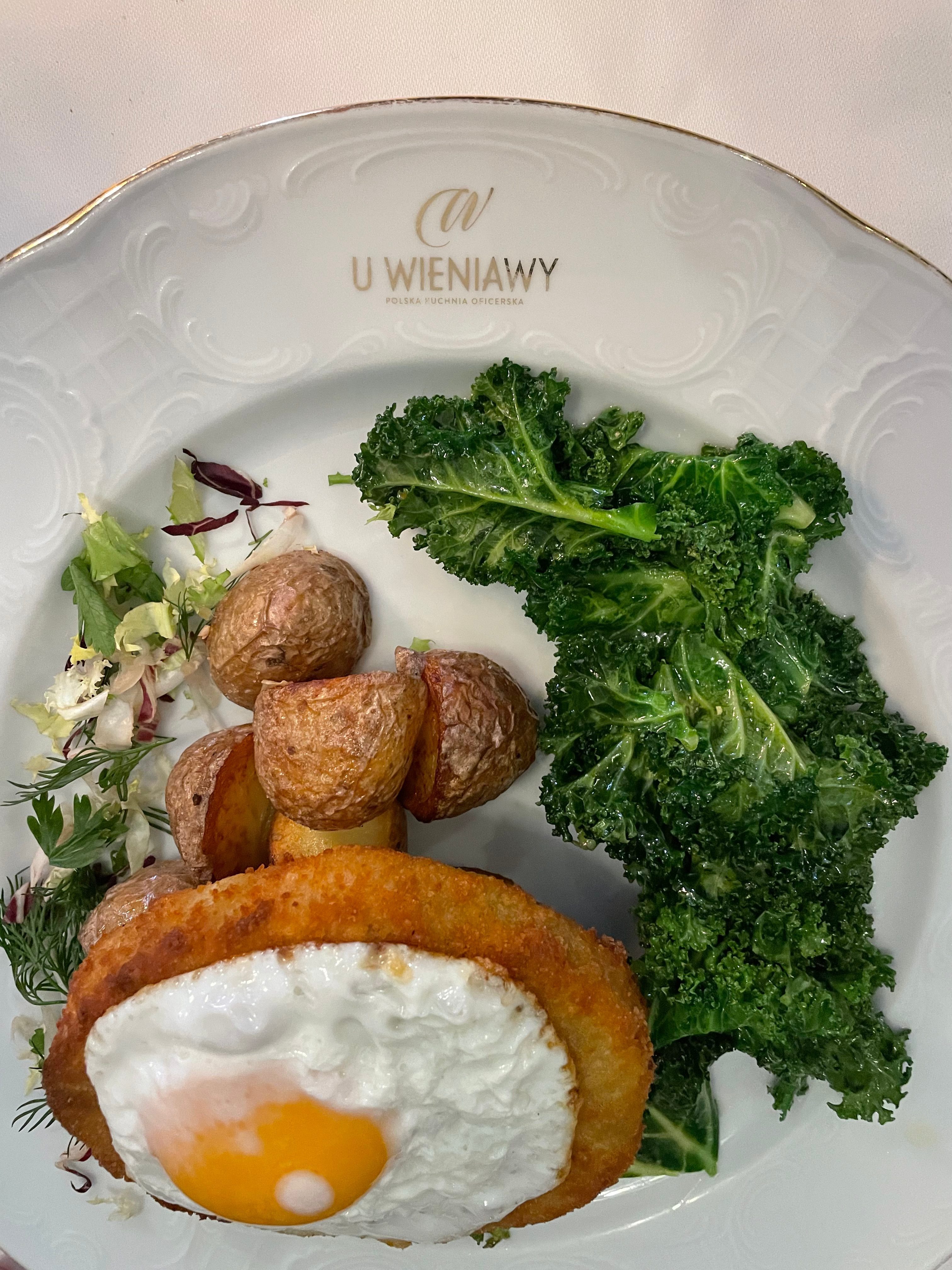
To sum up, the creativity of Old Polish cooks made fasting cuisine flavorful and satisfying. Many of these dishes remain popular during holidays such as Christmas Eve or Lent before Easter, which is traditionally meatless in Poland. Some old recipes are returning to modern tables, such as sauerkraut patties, like the ones you see in the photo.
“Pierogi & Other Stories” is a series of articles and recipes introducing contemporary Polish cuisine to readers who speak English. The whole series can be found in the #cuisine tab on the English website culture.pl and my contribution to this project is a text titled: “The meaning of fasting”
 Tours and stories by Agnieszka Kuś