There are places I visit for a monument, places I remember because of a story — and places I inevitably associate with a flavour. Szydłów belongs firmly to the last category. For me, it tastes of plums.
More precisely, of dried and smoked plums and thick plum preserves with orange, which I buy whenever I am here and bring back to my kitchen in Warsaw. They have become a favourite at my culinary workshops: I use them as a filling for hamantaschen, the triangular pastries traditionally baked for Purim, or for rugelach, little rolled pastries associated with Ashkenazi Jewish baking. And perhaps this is exactly why I like Szydłów so much. A jar of plum preserves can become the beginning of a much bigger story.
A delicious detour between Warsaw and Kraków
Szydłów is a tiny historic town in the Świętokrzyskie region of south-central Poland, about 50 kilometres from Kielce. For travellers exploring Poland by car, it makes an excellent detour: roughly 2½ hours from Warsaw and less than 2 hours from Kraków. It is the kind of place where I would happily interrupt a journey between Poland’s major tourist destinations.
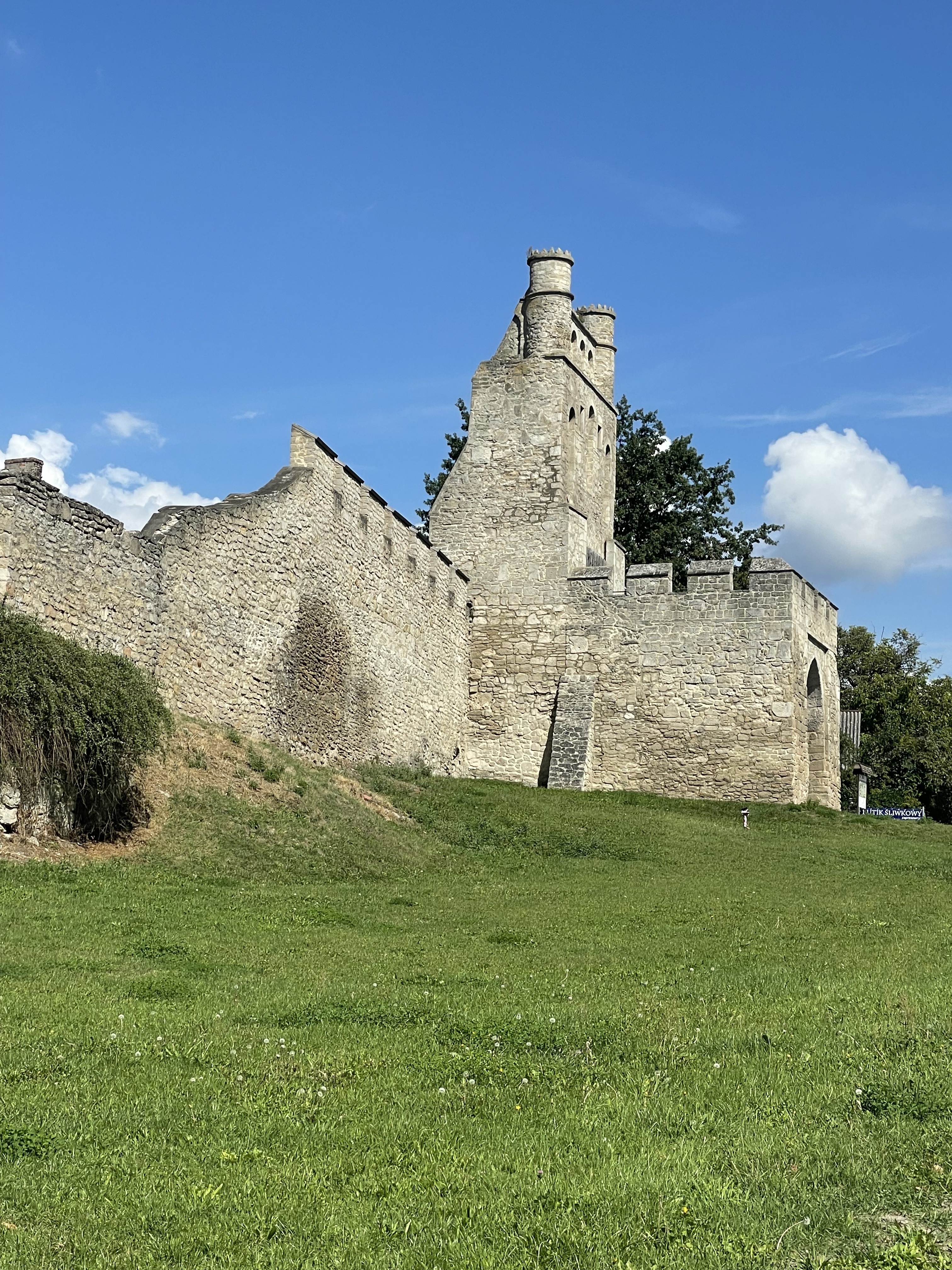
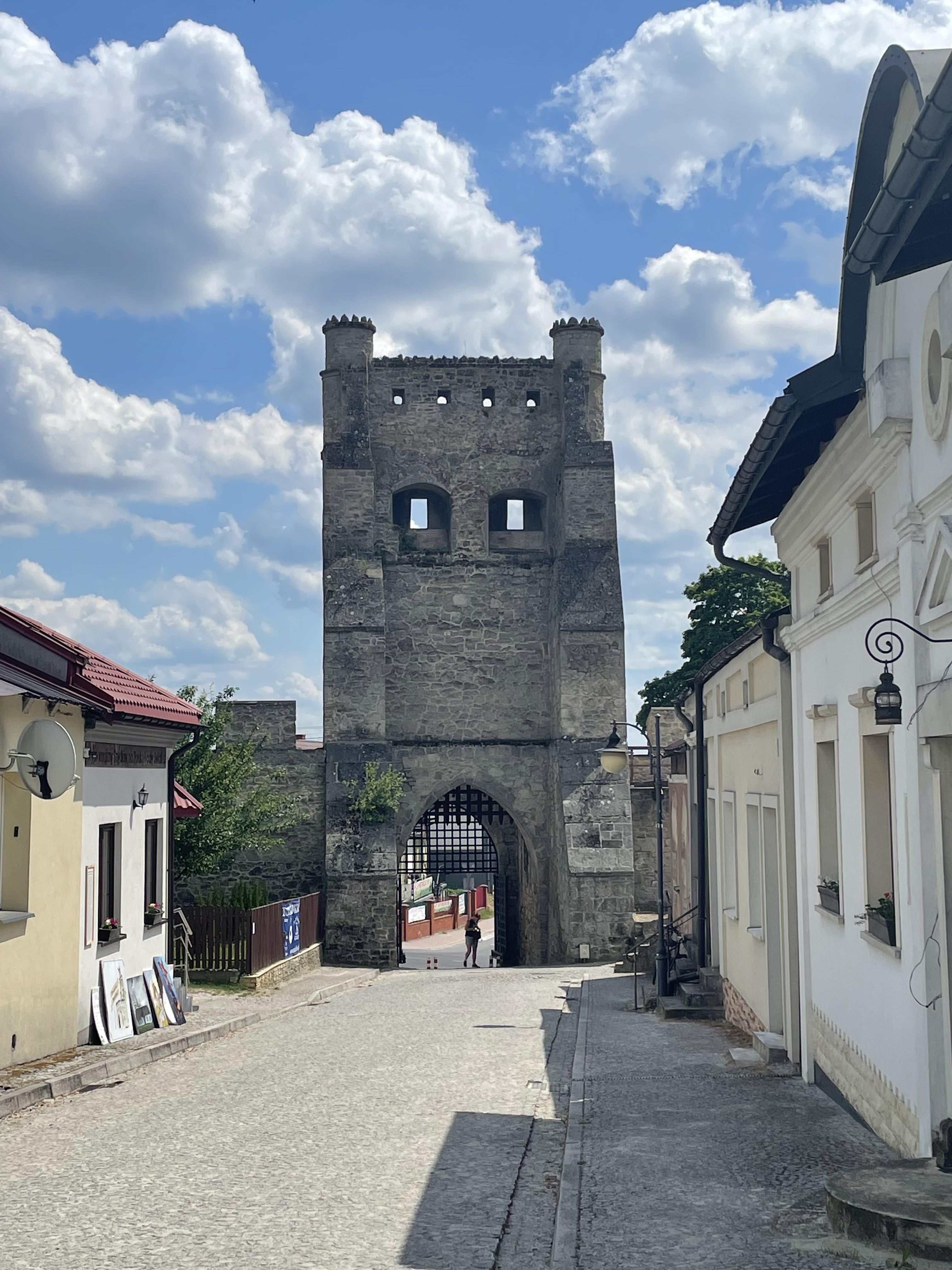
You can walk through a medieval gate, follow massive stone walls, visit the remains of a royal castle and step inside one of the oldest surviving synagogue buildings in Poland. And then stop for something made with local plums. Behind those medieval walls lies another story: that of the shtetl.
What exactly was a shtetl?
For many American visitors, the word may immediately bring to mind Fiddler on the Roof: a small, poor, almost exclusively Jewish village somewhere in Eastern Europe. The historical reality was more complicated.
Shtetl simply means “small town” in Yiddish. Such towns became characteristic centres of Jewish life across the former Polish-Lithuanian Commonwealth. They were not ghettos or isolated Jewish islands, but market towns where Jews and Christians lived alongside one another, traded, worked and influenced each other’s everyday lives.
Szydłów adds an interesting twist. Many classic shtetls were private towns belonging to Polish aristocratic families. Szydłów was a royal town, developed in the Middle Ages and surrounded by defensive walls associated with King Casimir the Great. And yet Jewish life became an essential part of its identity.
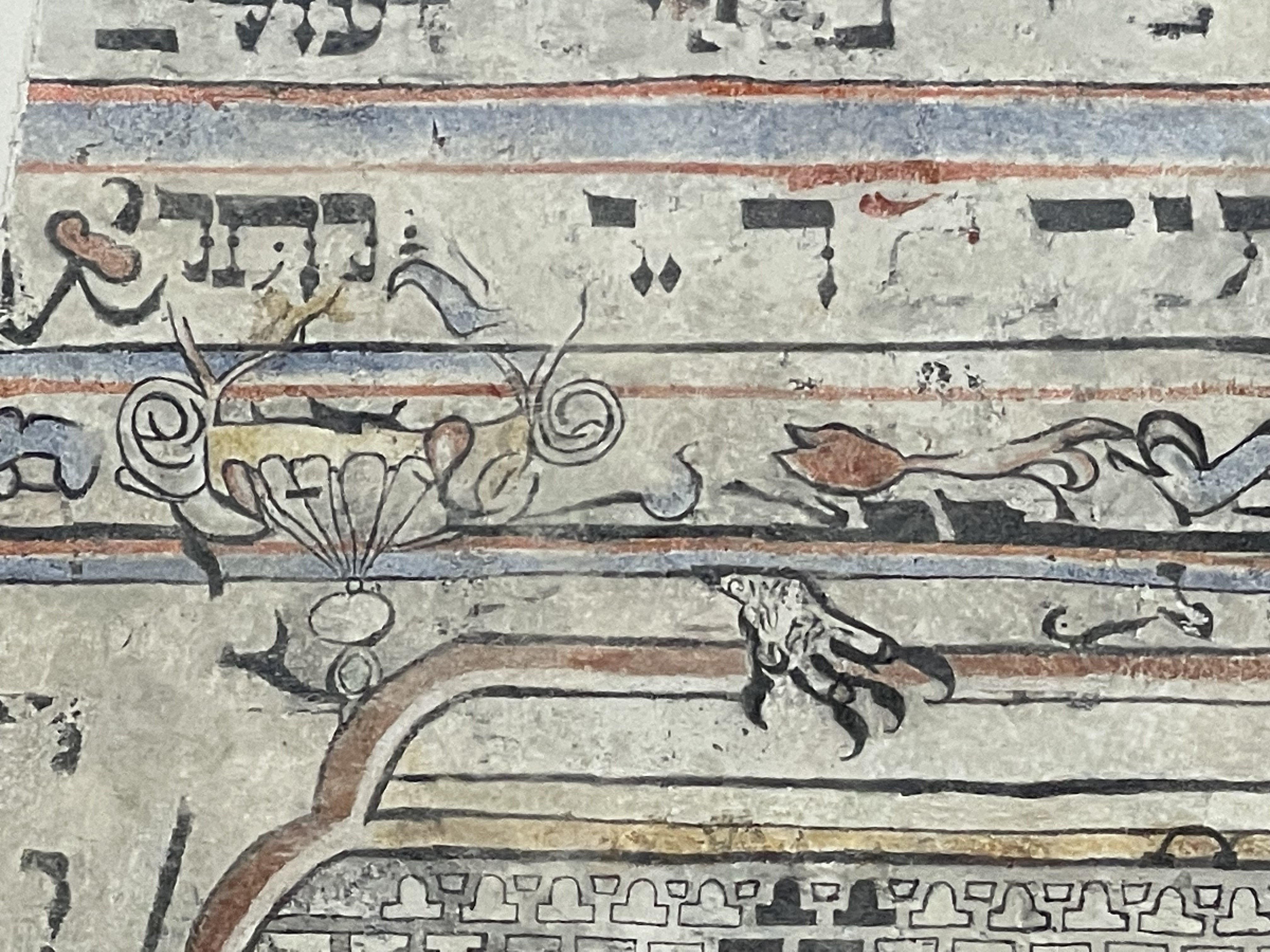
Inside the old synagogue
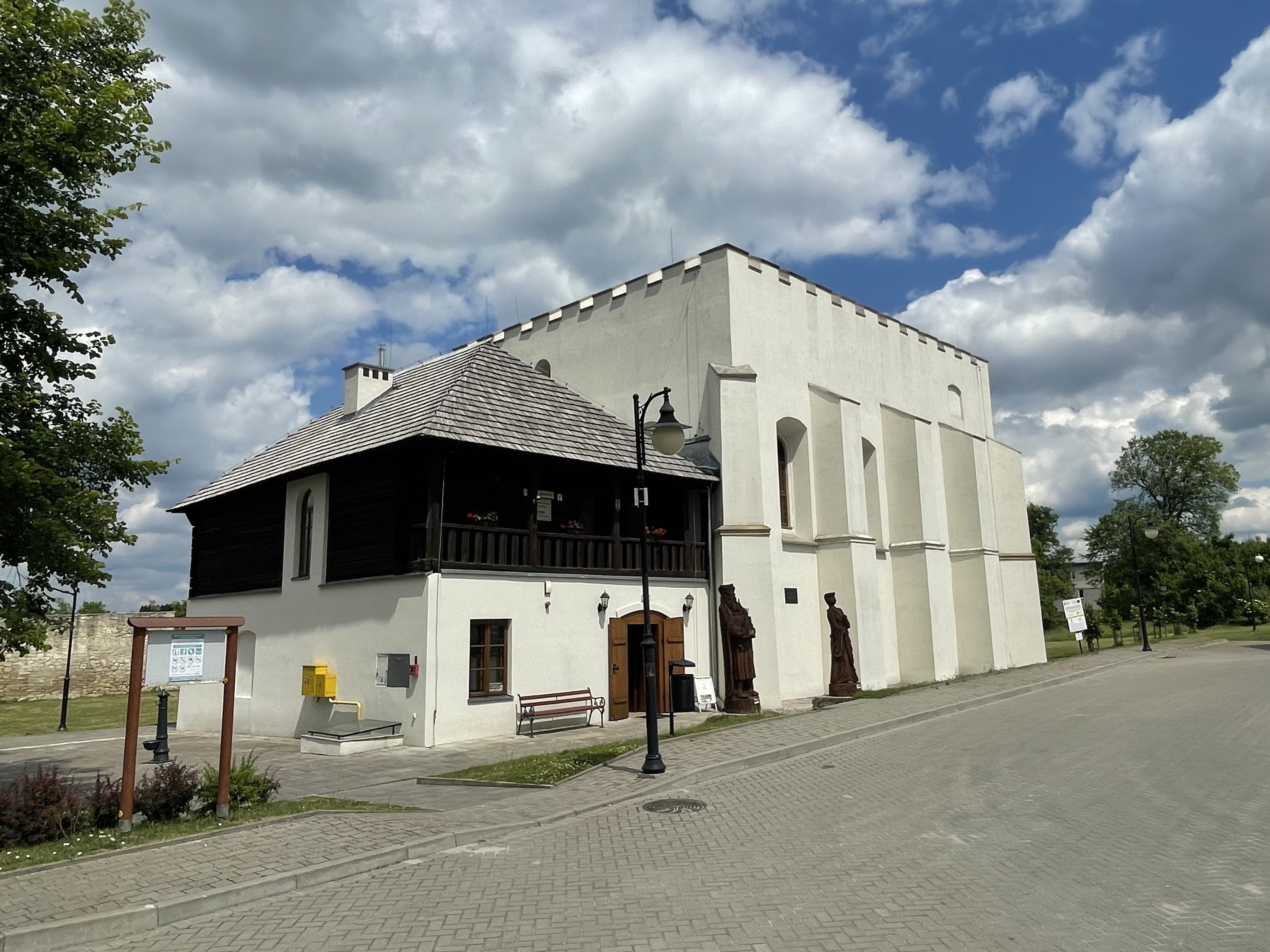
Jews had settled in Szydłów by at least the 15th century, and by the 19th century they formed a substantial part — for a period even a majority — of the town’s population. The most striking trace of that world is the late 16th-century synagogue, just a short walk from the market square. Its massive stone walls and buttresses make it look almost like another element of Szydłów’s fortifications.
Before the war, however, this was part of a living Jewish town. Jewish residents worked as merchants, bakers, tailors, shoemakers and craftsmen; they ran taverns and traded at the weekly market. Today, visiting the synagogue and the Jewish cemetery allows us to read Szydłów differently. The market square, houses and medieval streets stop being simply picturesque and become a map of everyday life that disappeared during the Holocaust.
Esterka: history meets legend
And then there is Esterka.
According to one of Poland’s most enduring legends, Esterka was a beautiful Jewish woman loved by King Casimir the Great. Several Polish towns claim a connection with her, and Szydłów is one of them. Local tradition even linked Esterka with the synagogue — although the building we see today was constructed long after Casimir’s reign.
I followed Esterka footstep before in the Jewish Food Tour of Poland, a film series I worked on with POLIN Museum. In Lublin and Kazimierz Dolny, we explored the Jewish roots of the famous Lublin onion flatbread, cebularz, and encountered Esterka and King Casimir along the way. In Szydłów, she returns.
And then there are the plums
After synagogues, kings and legends, it is time to eat. Szydłów is known as Poland’s plum capital. Orchards surround the town, and plums have become part of its culinary identity.
There is a Jewish thread in this story, too. According to the local Plum Museum, it was Szydłów’s Jewish residents who first began drying and smoking plums here using a distinctive method known as na laskach. The technique was later adopted by their neighbours and eventually became a local speciality. Today, Szydłów plums are eaten fresh, dried and smoked, covered in chocolate or transformed into sauces and wonderfully dense powidła — traditional Polish plum preserves. And ice cream! Dried plum flavoured ice cream!
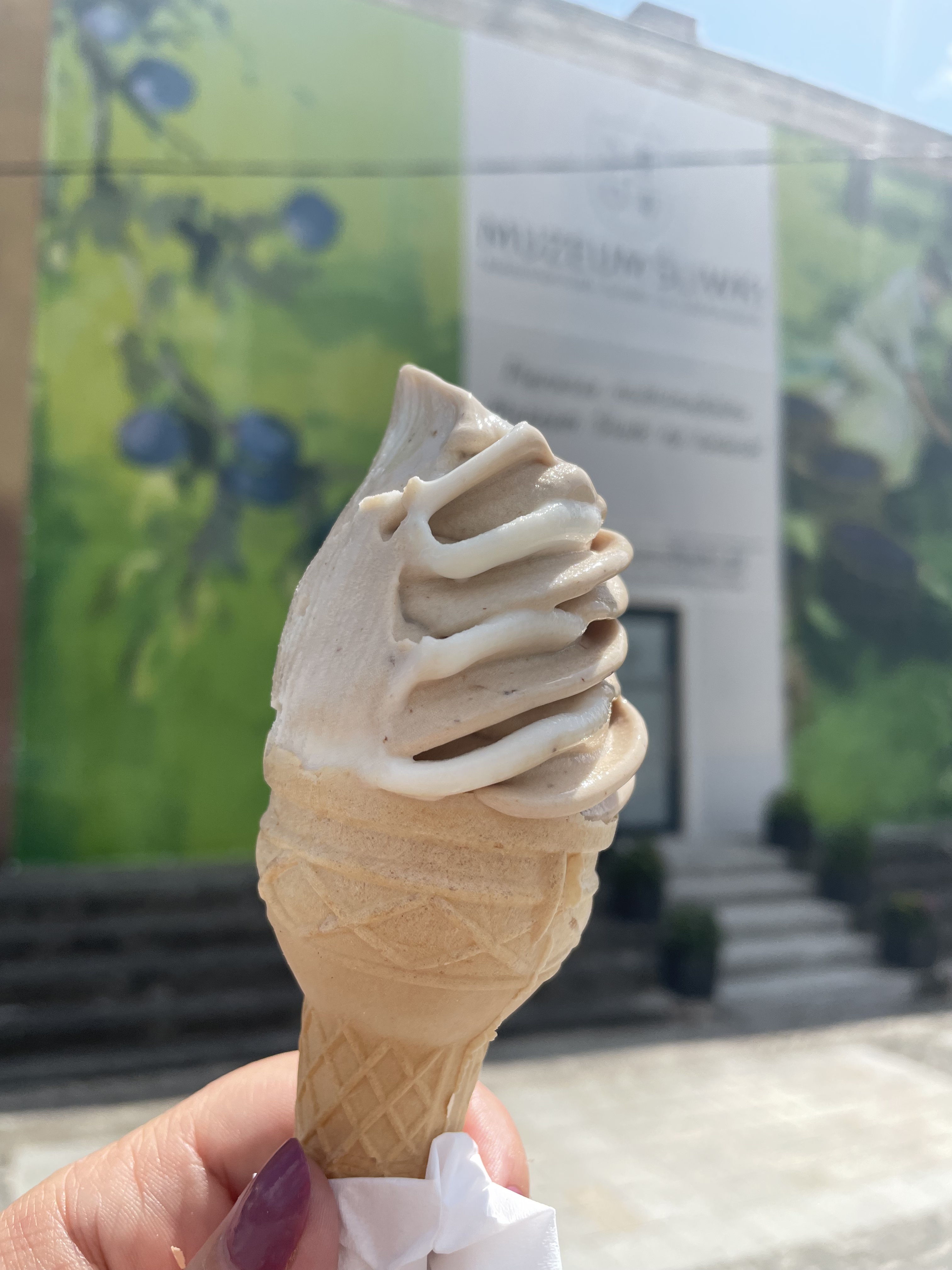
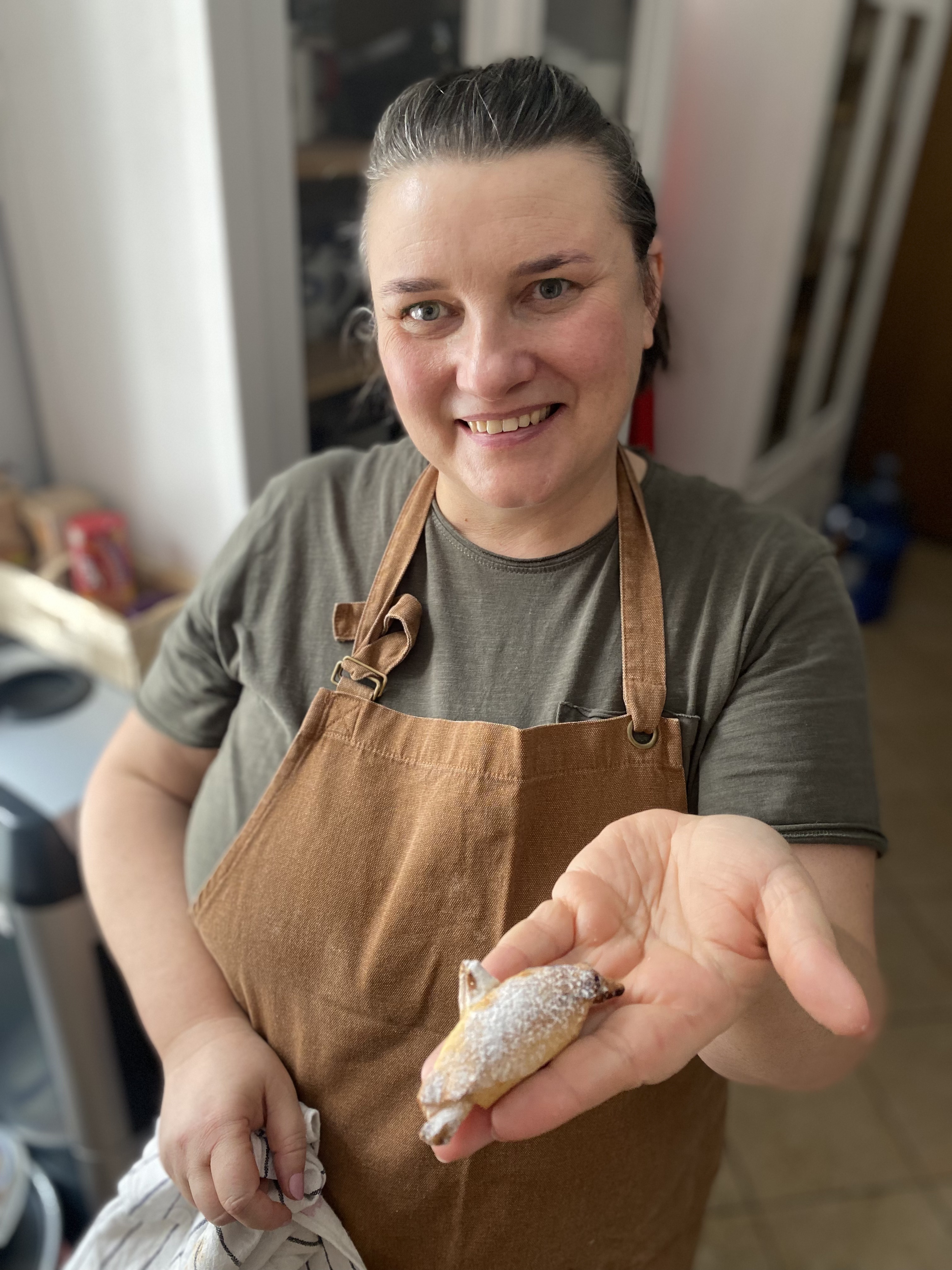
My favourite discovery is a version of powidła flavoured with orange. I rarely leave Szydłów without a few jars. Back in Warsaw, they find their way into my Jewish cooking workshops: their slightly tart, intensely fruity flavour works beautifully in hamantaschen, while the hint of orange is perfect with buttery rugelach.
This is where my travels and workshops meet. I travel because I am looking for stories. I cook because sometimes a flavour makes those stories easier to remember.
From Szydłów to my kitchen
This is also the idea behind Tasting Jewish Poland: travelling through Poland and looking for Jewish history not only in museums and monuments, but also in landscapes, legends, local products, old cookbooks and contemporary kitchens. Sometimes the trail begins with a bagel. Sometimes with an onion flatbread. In Szydłów, it begins with a plum.
I will be adding recipes from my culinary workshops to these stories, including my versions of hamantaschen and rugelach filled with Szydłów plum and orange preserves. Because the best souvenir from a journey is sometimes not something you put on a shelf. Sometimes you bake it.
If you enjoy joining me on culinary journeys, exploring old cookbooks and discovering how their recipes taste today, you can support my next stories, workshops and work on Tasting Jewish Poland by buying me a virtual coffee ☕.
Every coffee helps me keep travelling, researching — and cooking.

